
Vinegar and baking soda is a safe, cheap first try for a slow drain or a smell. It can loosen light soap film and freshen a trap. It will not clear a hair clog, a grease plug or a root intrusion.
Here is how to use it, what to expect and when to move on to something stronger or call a plumber.
How to use the mixture
Clear
Remove standing water and any visible debris from the drain.
Baking soda
Pour about half a cup of baking soda into the drain.
Vinegar
Add about a cup of white vinegar and cover the drain.
Wait
Let it fizz for about fifteen minutes.
Flush
Rinse with hot tap water, not boiling water on old or plastic pipes.
Do not mix this with a commercial drain cleaner. Chemical reactions can release harmful fumes or splash caustic liquid. If you used a chemical cleaner first, flush with water and skip the vinegar.
What it can and cannot do
| Problem | Will vinegar and baking soda help? | Better option |
|---|---|---|
| Slow drain from soap film | Often, a little | Repeat and flush with hot water. |
| Smelly trap | Yes | Clean the trap. |
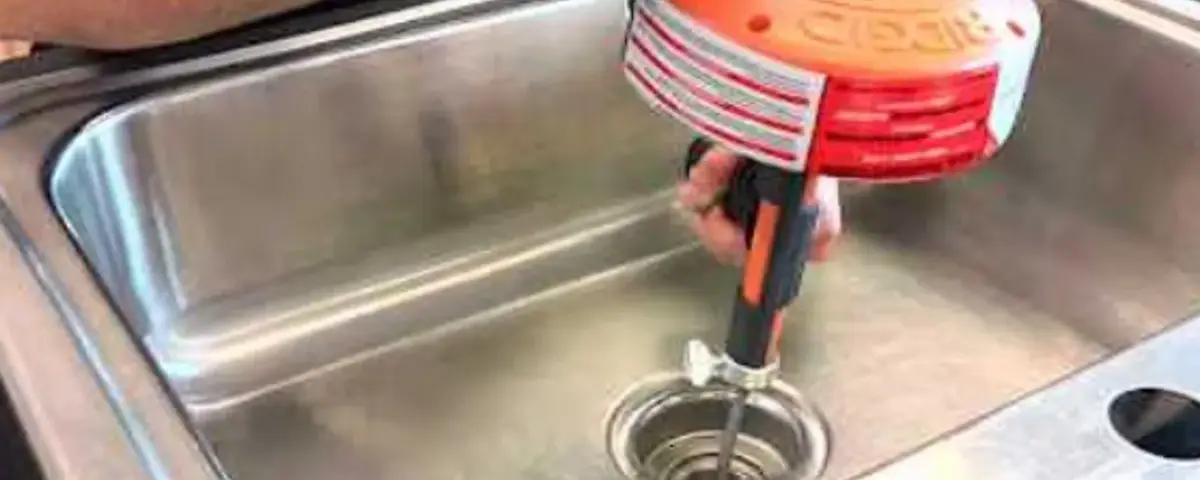
| Hair clog in a tub | Rarely | Pull the hair with a drain tool. |
| Grease plug in a kitchen line | Not really | Cable or jetting. |
| Tree roots | No | Cable and repair. |
| Several drains slow at once | No | Main line cleaning. |
The fizz is mostly carbon dioxide and water. It loosens a little, but it has no cutting power. A true blockage needs a cable or a jetting nozzle.
Drain still slow after the fizz?
Call to book drain cleaning in University Place.
Safer habits that prevent clogs
Keep drains clear
- Use a strainer in tubs and showers to catch hair.
- Pour kitchen grease into a can, not the sink.
- Run hot water for a few seconds after washing dishes.
- Keep wipes, floss and cotton products out of toilets.
- Flush a seldom-used drain with water once a month.
Why older drains clog more often
About 75 percent of University Place housing was built before 1990, according to the state's housing assessment. Many of those homes still have original drain pipes, which may be rough inside from decades of soap and grease. A rough pipe wall catches debris faster than a smooth one, so slow drains tend to return.
If you live on septic, which the City of University Place says is about 23 percent of properties, avoid harsh chemicals. They can upset the bacteria a tank depends on. Plain water, a strainer and a plumber's cable are safer.
When to call a plumber
Call if more than one drain is slow, if water backs up in a floor drain or if the clog returns within a week. Those are signs of a line problem, not a trap problem. See drain cleaning and sewer line cleaning.
Call right away for sewage or standing water. The same line reaches Fircrest and Tacoma.
Chemical cleaners: why plumbers avoid them
Caustic cleaners can burn skin and eyes when a plumber opens a pipe, and they can damage old metal and some plastic. They rarely remove grease or roots, and they sit in a standing line. Many plumbers will tell you they would rather find water than a chemical.
If you already poured some in, tell the plumber when you call. It changes how they open the line.
What shapes the price of drain cleaning
- Which drain and how far down the clog sits.
- Whether a cable or jetting is needed.
- Access, such as a cleanout or pulling a fixture.
- A camera check if the clog repeats.
- Emergency or after-hours timing.
Ask for the price before work begins. Ours is clear before work starts.
A short routine for each drain type
| Drain | Monthly habit | What it prevents |
|---|---|---|
| Kitchen sink | Hot water flush after greasy dishes | Grease buildup in the trap. |
| Bathroom sink | Pull the stopper and rinse it | Hair and soap plugs. |
| Shower | Clean the strainer weekly | Slow drainage and odors. |
| Laundry | Check the lint filter or trap | Lint clogs and backups. |
| Floor drain | Pour a quart of water in to fill the trap | Sewer gas and dry trap smells. |
Smells without a clog
A drain that smells but drains fine usually has dried-out trap water, a film on the walls of the trap or a dry vent. Running water for a minute refills the trap, and the vinegar and baking soda mixture helps with film.
If the smell returns right away, the trap may be damaged or the vent blocked. A plumber can check, since a sewer smell can also be a sign of a leak in the drain line behind the wall.
Garbage disposals and the fizz
A disposal can handle a small amount of vinegar and baking soda, which helps with odors on the blades and the splash guard. Do not use it as a substitute for clearing a blocked line. If the disposal hums but does not spin, switch off the power and see the section on disposal repair.
A note on safety and kids
Vinegar and baking soda are gentle, but they still need care. Keep the mixture away from eyes, and do not seal it in a closed container, since the gas can build pressure. Keep chemical cleaners out of reach of children and pets. If someone is splashed with a drain cleaner, rinse with water and call poison control.
When a slow drain is really a vent problem
A drain that gurgles and drains slowly may be starved for air. Plumbing vents run through the roof, and a leaf, a nest or ice can block them. Water then pulls against a vacuum and drains slowly even though the pipe is clear.
Look for a sound when the drain empties, and test whether opening a window changes it. A plumber can check the vent and clear it, which a mix of vinegar and baking soda will never do.
Vinegar and baking soda questions
It can loosen light soap film and odors, but it will not clear a real blockage.
Hot tap water is safer. Boiling water can soften PVC and crack old porcelain.
Yes, but run cold water and skip it if the disposal is jammed.
In small amounts, yes. Avoid harsh chemicals.
If several fixtures slow at once or a floor drain backs up, it is the main.