
Most clogs start small and respond to simple tools. The trick is knowing which tool fits which clog and when to stop. This guide ranks the options from safest to the point where a plumber should take over.
If sewage is backing up or several fixtures are slow at once, skip to the last section and call.
Step one: figure out the type of clog
| Where | Likely clog | First tool |
|---|---|---|
| Bathroom sink | Hair and soap in the trap | Remove the stopper, clean the trap. |
| Shower or tub | Hair near the drain | Hair removal tool or a plastic strip. |
| Kitchen sink | Grease and food | Plunger, hot water, then a hand snake. |
| Toilet | Paper or an object | Flange plunger. |
| Floor drain | Debris and sludge | Cable from a plumber. |
The ladder of home fixes
Hot water
Pour very hot tap water to soften soap and grease, avoiding boiling water on old pipes.
Plunger
Use a cup plunger on sinks and a flange plunger on toilets, with a good seal.
Trap cleaning
Place a bucket, unscrew the trap and remove debris by hand.
Hand snake
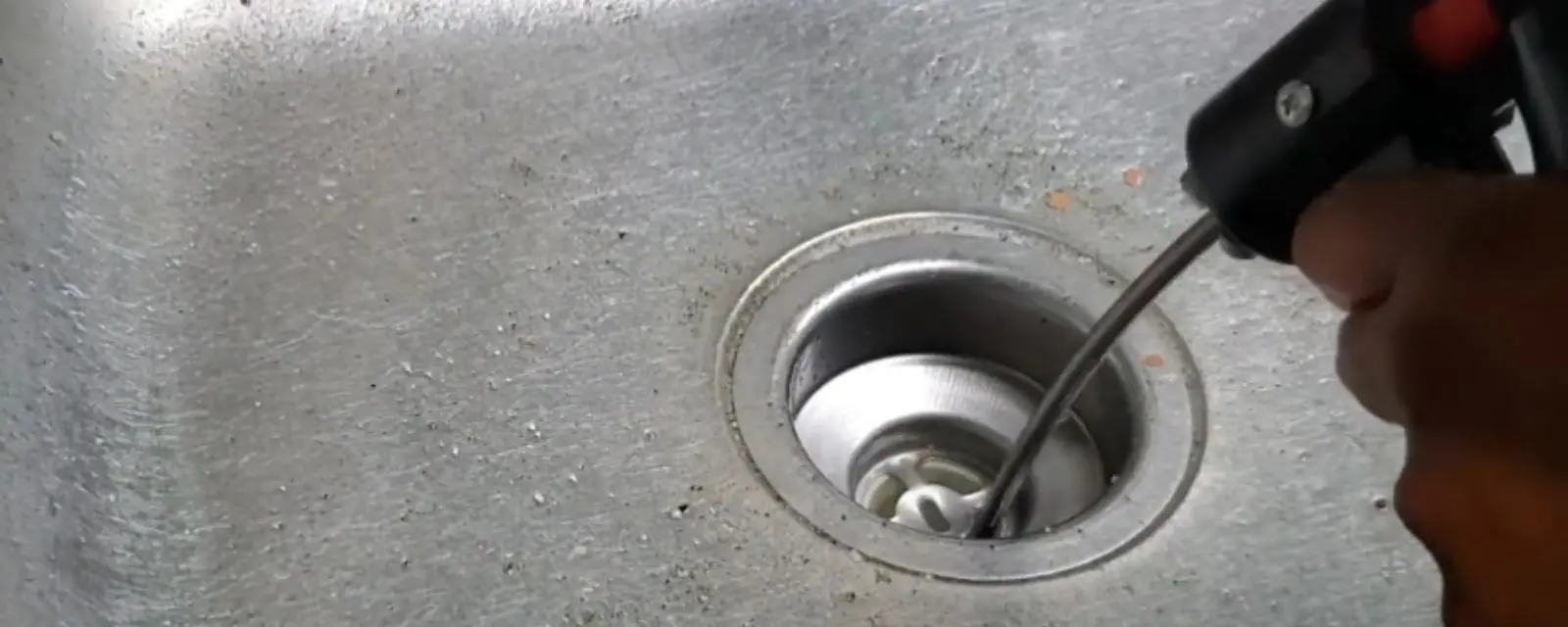
Feed a small drain snake and turn it to hook or break the clog.
Enzyme cleaner
Use a bio-based cleaner for light, slow buildup, following the label.
Skip harsh chemical drain openers. They can burn skin, harm pipes and make a plumber's job riskier. They rarely clear grease and roots.
Tried everything and still blocked?
Call to book drain cleaning in University Place.
What not to do
Avoid these
- Pouring bleach or caustic cleaner into a standing drain.
- Using a metal hanger, which scratches pipes and can break traps.
- Plunging after chemical cleaner, which can splash it back.
- Forcing a snake against resistance in an old, brittle pipe.
- Flushing wipes, even those labeled flushable.
Older pipes and septic systems
The state's housing assessment says about 75 percent of University Place housing was built before 1990. Older drain pipes can be rough inside and narrow with age, so a clog that returns is often a sign of the pipe, not your habits.
The City of University Place says about 1,800 properties are on septic. If you are one of them, avoid harsh chemicals and heavy grease. The Tacoma-Pierce County Health Department at 253.798.6470 can advise on septic care.
Signs it is not a simple clog
Call a plumber if
- More than one fixture is slow or gurgling.
- A floor drain or a tub fills when you flush or run the washer.
- The clog returns within days.
- You smell sewage or see wet spots in the yard.
- The water will not drain at all and the plunger does not help.
Those signs point to the branch or main line. See drain cleaning and sewer line cleaning. For repeat clogs, hydro jetting cleans the pipe wall.
If you are in Fircrest or Tacoma, the same 24/7 line applies.
Preventing the next clog
A strainer in each tub and shower catches most hair. A can for kitchen grease keeps fat out of the pipe. A monthly flush of hot water through seldom-used drains prevents dry traps and smells.
In the kitchen, wipe greasy pans with a paper towel before washing them. It takes seconds and saves a lot of trouble.
What shapes the price of drain service
- Which drain and how far down the clog sits.
- Whether a cable or jetting is needed.
- Access such as a cleanout or pulling a fixture.
- A camera check if the clog repeats.
- Emergency or after-hours timing.
Ask for the price before work begins. Ours is clear before work starts.
How to use a plunger properly
Seal
Cover the drain fully, and block the overflow opening with a wet cloth on a sink.
Water
Add enough water to cover the cup of the plunger.
Push
Push gently first to expel air, then pump firmly in short bursts.
Release
Pull up sharply on the last stroke to break the clog loose.
Check
Run water to see if the drain clears, and repeat a few times if needed.
A weak seal is the most common reason a plunger fails. A cup plunger fits flat drains, and a flange plunger has an extra lip for toilets.
Using a hand snake without hurting the pipe
Feed the snake slowly and turn the handle as it goes. When you feel resistance, keep turning to hook or break the clog, then pull it out. Do not force it past a tight bend, since the cable can kink or scratch the pipe.
Rinse the snake as you pull it out, and wear gloves. A clog that returns after a snake often means a deeper issue in the line.
Hair, grease and the usual suspects
| Source | How it builds up | Habit that helps |
|---|---|---|
| Hair | Collects at the trap and binds with soap | Use a strainer and clean it weekly. |
| Cooking grease | Cools and hardens inside the pipe | Collect it in a can. |
| Soap scum | Coats walls and narrows the pipe | Flush with hot water. |
| Wipes and cotton | Do not break down | Put them in the trash. |
| Food scraps | Pack at bends | Scrape plates first. |
Toilets need their own approach
A toilet clog is usually paper, and a good flange plunger clears it. Push slowly first, then pump with a steady rhythm. Do not keep flushing, since that can overflow the bowl. If a toy or a hygiene product is stuck, stop and call.
A toilet that clogs often may have a partial blockage downstream, a weak flush or low water level in the bowl. See toilet repair for what a plumber checks.
A simple log for repeat clogs
Write down the date, the drain and what you did each time a clog returns. A pattern such as every three weeks in the same sink tells a plumber far more than a general description. It points toward a belly, a root or a rough pipe wall.
Share the log when you call. It helps the plumber choose a cable, a jetter or a camera on the first visit.
What the rules say about drain chemicals
Washington's plumbing code does not cover homeowner cleaning habits, but drain cleaner labels carry federal hazard warnings, and manufacturers say never to mix products. Follow the label and keep the room ventilated.
Washington's state plumbing code is chapter 51-56 of the Washington Administrative Code, built on the Uniform Plumbing Code (UPC). The state's rulemaking record shows the 2021 edition took effect on July 1, 2023, and the city or the state can confirm what applies today.
Clogged drain questions
Hot tap water, a plunger and a hand snake are safer than chemical cleaners.
They help with light organic buildup over time. They will not clear a solid plug.
Hot tap water is safer for older pipes and plastic.
A single fixture points to the trap. Several at once point to the main.
Yes. Older pipes catch debris faster, so recurring clogs are more likely.